Saudi Arabia has restored the East-West Pipeline to its full seven million barrels per day capacity after attacks linked to the Iran conflict cut throughput by about 700,000 barrels per day and reduced oil production capacity by roughly 600,000 barrels per day. Reuters reported that the strikes affected infrastructure in Riyadh, the Eastern Province and Yanbu Industrial City, with recovery work also focused on restoring output at Manifa and Khurais.
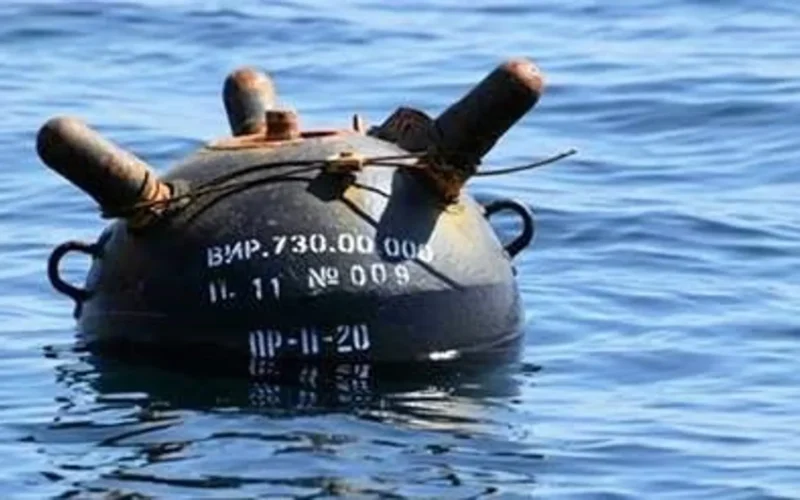
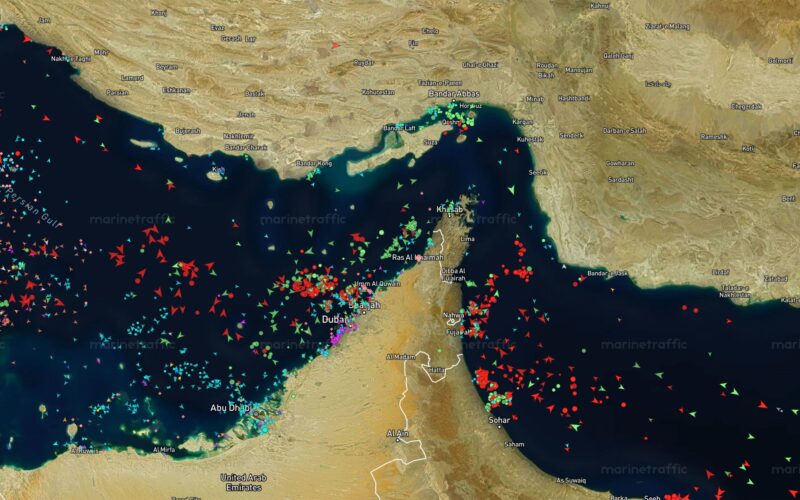
That matters because the East-West Pipeline is not just another line. During the closure of the Strait of Hormuz, it became Saudi Arabia’s only crude export route. The latest attacks therefore exposed a harder truth: bypass infrastructure is no longer simply redundancy. It is now part of the target set.
What it means to our readers: Gulf operators should stop treating alternate routes as inherently safer routes. In the current threat environment, resilience planning has to assume that fallback infrastructure will be attacked as aggressively as primary infrastructure.